Hello, I’m the Admin of reviewshien.com, and with over a decade of hands-on experience in fabric care and cleaning products, I’ve seen countless tools designed to keep our clothes and homes pristine. Today, we’re diving deep into the world of the “Lint Roller Brush”—a term that encompasses both the quick convenience of sticky rollers and the sustainable effectiveness of traditional brushes. I’ve tested hundreds of variations, from basic models to high-tech solutions, and I’m here to share my honest insights to help you choose the perfect tool for your needs. Let’s uncover the secrets to keeping your garments and textiles impeccably clean!
Understanding Lint Roller Brushes: Beyond Just Sticky Sheets
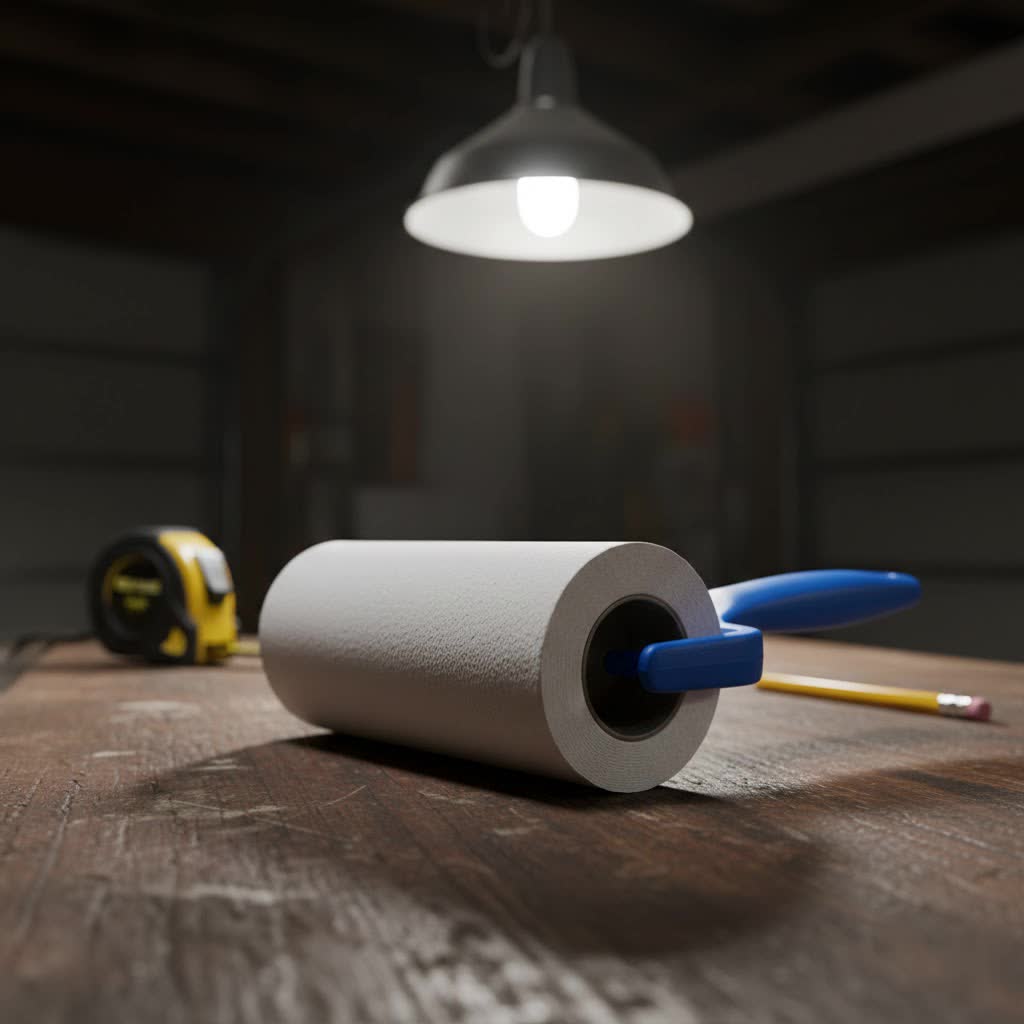
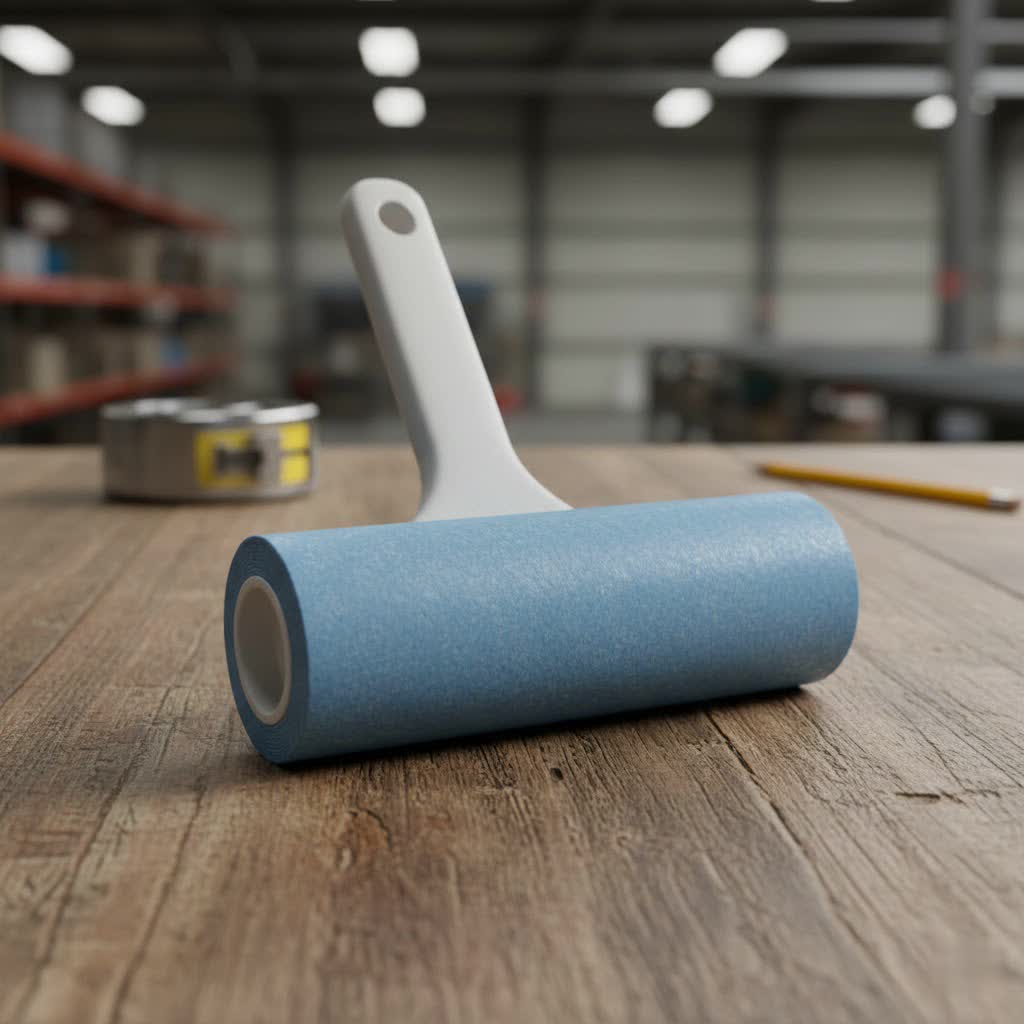
When we talk about a “lint roller brush,” we’re actually referring to a versatile category of tools. Most commonly, people visualize the classic lint roller—a cylinder with adhesive sheets designed to pick up lint, dust, and pet hair with a simple roll. These are undeniably convenient for quick touch-ups before you head out the door.
However, the “brush” aspect of the term brings us to a more traditional and often more sustainable solution: the lint brush. These reusable tools typically feature a special fabric, velvet, or rubber bristles that effectively capture debris without relying on disposable sticky sheets. Understanding the differences between these types is key to choosing the right one for every situation.
Types of Lint Roller Brushes and Their Best Use Cases
Each type of lint-removing tool offers unique advantages, making them suitable for different fabrics and cleaning tasks.
The Classic Sticky Lint Roller
This familiar tool consists of a handle and a roll of adhesive sheets.
- Pros: Sticky lint rollers are incredibly versatile and excellent for quick removals of dust, lint, and pet hair from a wide range of fabrics. They are often inexpensive and readily available.
- Cons: The main drawback is their disposability; used sheets contribute to waste, and frequent use requires buying refills, which can add up over time. Some cheaper versions might also leave a slight residue on delicate fabrics.
- Best for: Everyday garments, quick clean-ups, travel, and various fabric types.
|
Our Picks for the Best Lint Roller in 2026
We may earn a commission when you use one of our links to make a purchase.
|
||
| Num | Product | Action |
|---|---|---|
| 1 | Evercare All Purpose Pet Hair Lint Roller, 100 Sheets – Reusable Sticky Roller for Pet Hair, Cat & Dog Hair Remover, Lint Remover, Pet Hair Remover for Furniture, Clothing & Cars |

|
| 2 | 1200 Sheets Lint Roller with 6 Upgraded Handles (6 Rollers + 6 Refill), Mage Value Set Sticky Lint Rollers for Pet Hair, Portable Pet Hair Remover for Clothes, Furniture, Carpet, Dog and Cat |
|
| 3 | Extra Sticky Lint Roller, Mega Value Set 400 Sheets for Pet Hair Removal, Dog and Cat Lint Remover for Clothes, Furniture, Carpet |
|
| 4 | PetLovers Extra Sticky Lint Roller Mega Value Set 900 Sheets for Pet Hair Removal and Clothes, Dog and Cat Lint Remover, 10 Pack |
|
| 5 | Mini Reusable Lint Roller 2 Pack, Washable Gel Sticky Lint Roller for Pet Hair, Travel Size Portable Lint Roller with 360° Rotating Handle & Large Hanging Hole, Beige |
|
| 6 | MEIQIHOME Lint Rollers for Pet Hair Extra Sticky, 1110 Sheets Mega Value Set Lint Roller with 5 Upgraded Handles, 10 Rollers Portable Pet Lint Roller for Clothes, Furniture, Dog & Cat Hair Removal |
|
| 7 | Swihauk 600 Sheets Extra Sticky Lint Rollers for Pet Hair, Easy Spiral Tear Lint Roller for Clothes with Ergonomic Handle, Multipurpose Lint Remover for Furniture, Carpet, Car Seat |
|
| 8 | PetLovers Extra Sticky Lint Roller Value Set 270 Sheets for Pet Hair Removal and Clothes, Dog and Cat Lint Remover, 3 Pack |
|
| 9 | PetLovers Extra Sticky Lint Roller Mega Value Set 720 Sheets for Pet Hair Removal and Clothes, Dog and Cat Lint Remover, 8 Pack |
|
| 10 | Lint Rollers for Pet Hair, Sticky, Remover for Couch, Clothes Furniture and Carpet. Dog Hair Remover Cat Hair, Animal Fur, Fuzz. 5 Large Lint Rollers |
|
The Reusable Fabric or Velvet Lint Brush
These brushes often feature a directional fabric surface that acts like tiny hooks, grabbing lint and hair when brushed against the grain. Many come with a self-cleaning base where the brush is inserted to remove accumulated debris.
- Pros: Highly sustainable and eco-friendly as there’s no waste. They are gentle on most fabrics and are particularly effective for tailored suits, moleskin, and corduroy, which can be prone to lint.
- Cons: They require brushing in a specific direction for optimal results, indicated by arrows on the brush itself. They might be less effective on heavily napped fabrics like woolen flannel, where bristles can get caught.
- Best for: Delicate fabrics, wool coats, dark clothing where sticky residue might show, tailored garments, and those seeking an environmentally conscious option.
Rubber Bristle Brushes
Some lint brushes utilize rubber bristles, which are especially adept at tackling stubborn pet hair.
- Pros: Exceptionally good at grabbing and pulling embedded pet hair from upholstery and certain clothing materials. They are reusable and often easy to clean.
- Cons: The rubber can be quite abrasive, so these brushes might be too harsh for very delicate fabrics, potentially pulling at the fabric’s nap.
- Best for: Pet owners, removing pet hair from furniture, car interiors, and durable fabrics.
Washable Gel Lint Rollers
A modern twist on the classic roller, these feature a sticky gel surface that can be rinsed under water to restore its tackiness.
- Pros: Reusable and eco-friendly, offering the rolling action of a traditional roller without the disposable sheets.
- Cons: They require regular rinsing and drying, which can take a moment longer than simply tearing off a sheet.
- Best for: Those who prefer the rolling motion but want a reusable solution for general lint and hair removal.
How to Use Your Lint Roller Brush Effectively
Regardless of the type you choose, proper technique maximizes effectiveness:
- Preparation: Lay your garment flat on a clean, firm surface whenever possible.
- Apply Pressure: Gently but firmly press the roller or brush onto the fabric.
- Consistent Strokes: For sticky rollers, roll smoothly over the area. For fabric brushes, always brush in the direction indicated (usually against the grain) to lift lint, then reverse the direction to clear the brush in its self-cleaning base or simply wipe it clean.
- Clean Regularly: For sticky rollers, tear off the used sheet once it loses its tackiness. For reusable brushes, clean them as per the manufacturer’s instructions—often by inserting them into their base or rinsing under water.
Beyond Clothes: Creative Uses for Your Lint Roller Brush
Your lint roller brush isn’t just for your wardrobe; it’s a versatile cleaning hero for your entire home.
- Furniture & Upholstery: Quickly de-fuzz sofas, chairs, and cushions, especially effective for pet hair.
- Car Interiors: Keep car seats and floor mats free from crumbs, dust, and pet hair.
- Small Spills: Easily pick up dry crumbs, glitter, or even spilled coffee grounds from counters or floors without needing a broom or vacuum.
- Lamp Shades: Gently roll over fabric lamp shades to remove dust buildup.
Choosing the Right Lint Roller Brush for Your Needs
With so many options, consider these factors when making your choice:
- Fabric Type: Delicate silks might prefer a gentle fabric brush, while denim or heavy upholstery can handle a sticky roller or rubber brush.
- Frequency of Use: If you need daily touch-ups, a reusable brush might be more cost-effective and environmentally friendly in the long run.
- Pet Hair: For serious pet hair challenges, rubber brushes or extra-sticky rollers are your best bet.
- Environmental Concerns: Reusable fabric brushes and washable gel rollers significantly reduce waste.
The right lint roller brush can make a significant difference in maintaining the cleanliness and longevity of your clothes and home textiles. By understanding the different types and their optimal uses, you can confidently choose the tool that best suits your lifestyle and keeps everything looking its best.