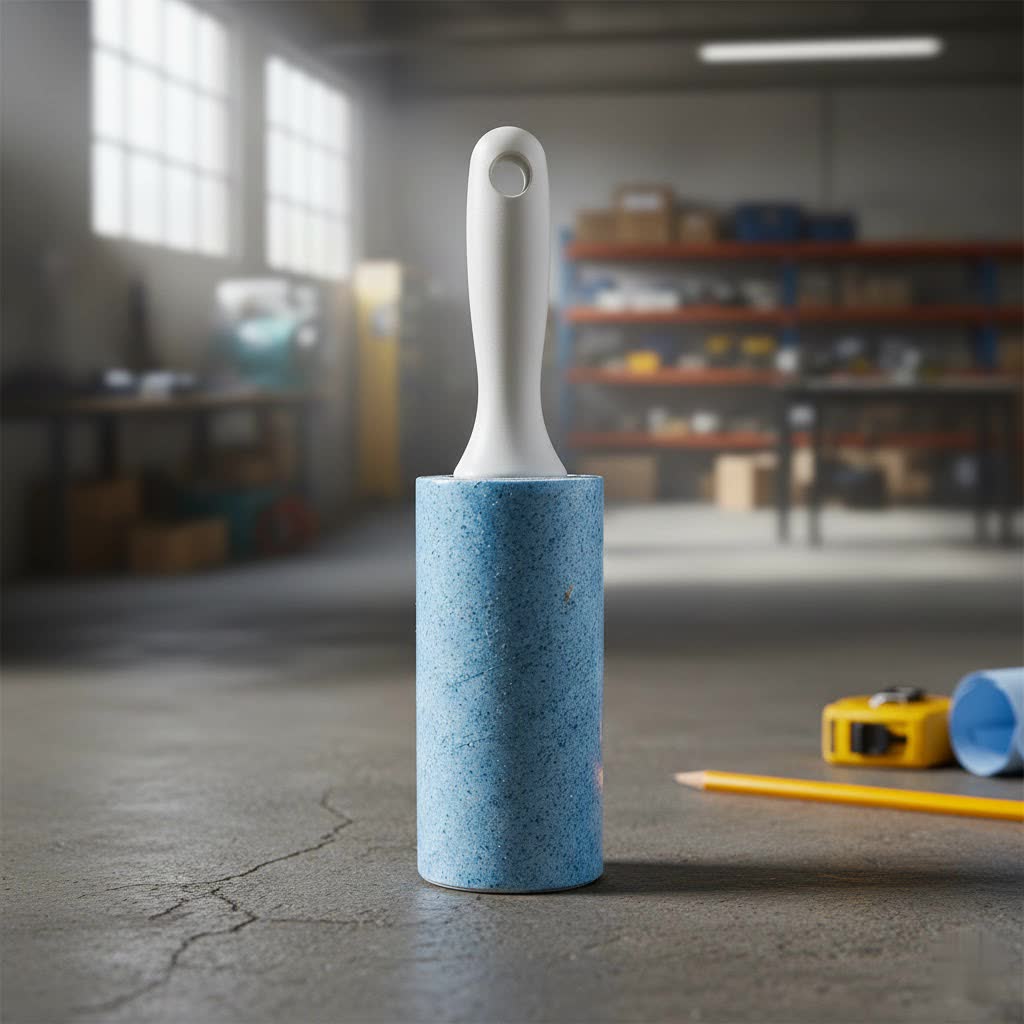
A lint roller is an effective and versatile tool for rug maintenance, capable of removing pet hair, lint, dust, and crumbs that even some vacuums might miss. As a cleaning technician with over a decade of experience, I’ve found that incorporating a rug lint roller into your routine significantly enhances carpet cleanliness, especially for quick fixes and targeted debris removal.
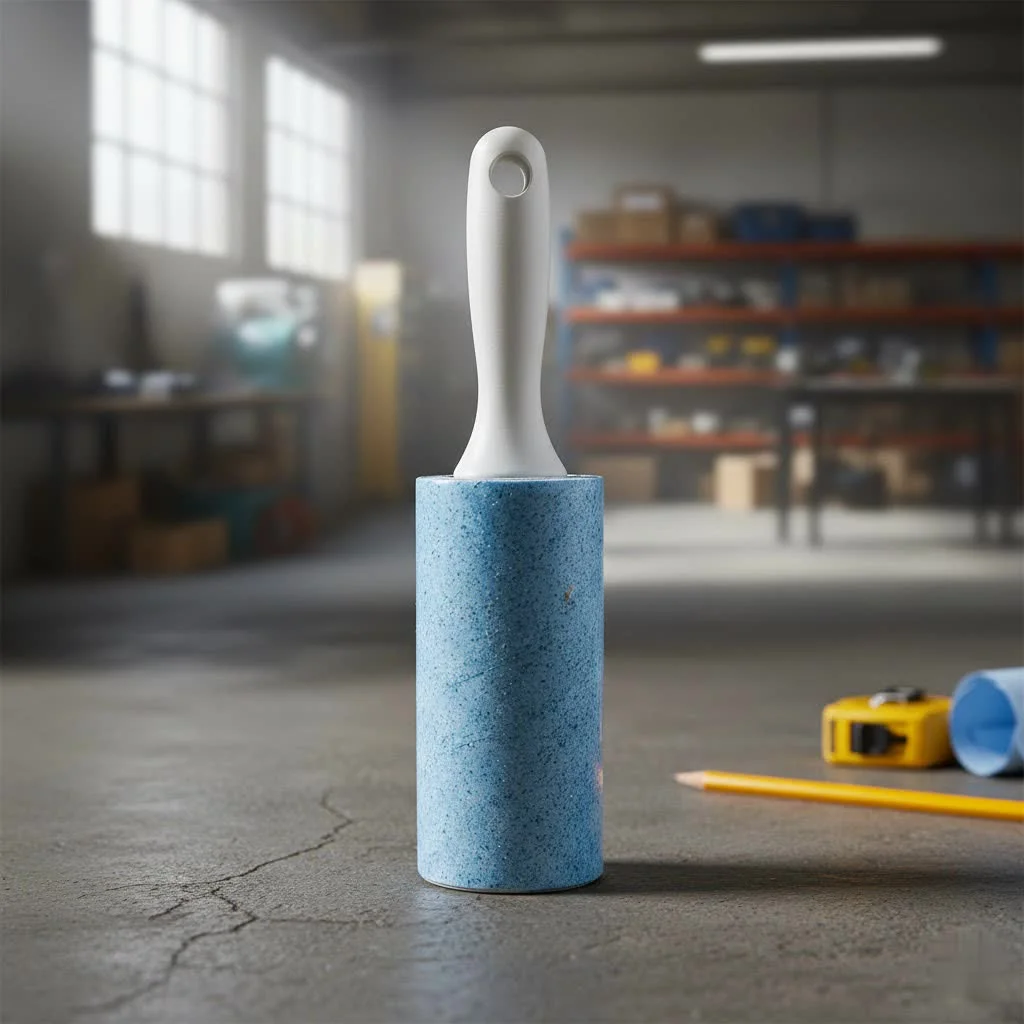
Beyond its common use on clothing, a lint roller is an incredibly versatile and effective tool for rug maintenance. It’s not just about surface-level tidiness; these sticky wonders can delve surprisingly deep into carpet fibers, extracting debris that even some vacuums might miss. Whether you’re battling persistent pet hair, annoying lint, or general dust and crumbs, incorporating a rug lint roller into your cleaning routine can make a significant difference.
Why Your Rugs Need a Lint Roller
Many people assume a vacuum cleaner is the be-all and end-all for rug care. While vacuums are essential for deep cleaning and removing larger dirt particles, lint rollers offer distinct advantages that complement your vacuuming efforts:
- Targeted Debris Removal: Lint rollers are exceptionally good at picking up fine particles like pet hair, human hair, threads, and fuzz that tend to embed themselves in rug fibers.
- Quick Fixes and Spot Cleaning: For minor spills or sudden messes, a lint roller provides an instant, no-fuss solution, preventing small problems from becoming bigger chores.
- Reaches Where Vacuums Can’t: The portability and maneuverability of a lint roller, especially those with extendable handles, allow you to clean under furniture, on stairs, or in tight corners that a bulky vacuum might struggle with.
- Gentle Yet Effective: Unlike some harsh brushing methods, a lint roller gently lifts debris without damaging delicate rug fibers.
- Noise-Free Operation: Enjoy a quiet cleaning session, perfect for quick touch-ups without disturbing your household.
- Cost-Effective: Lint rollers are an affordable addition to any cleaning arsenal, offering great value for their versatility.
Types of Rug Lint Rollers
The market offers a variety of lint rollers, each suited for different needs:
- Traditional Adhesive Rollers: These are the most common type, featuring disposable sheets coated with a strong adhesive. They are excellent for quick, efficient pick-up of lint and hair. Look for “extra sticky” versions specifically designed for pet hair for enhanced performance on rugs.
- Reusable/Washable Gel Rollers: Made from a sticky, washable silicone or rubber material, these rollers can be rinsed clean after use and regain their tackiness when dry. They are an eco-friendly and economical option in the long run.
- Extendable Handle Lint Rollers: Designed for larger areas, these rollers feature a long, adjustable handle, transforming them into a “floor lint roller.” This design allows you to clean rugs and carpets without bending over, saving your back while covering significant ground.
- Specialized Pet Hair Removers: While many lint rollers work on pet hair, some products are specifically engineered with ultra-tacky surfaces or unique designs to tackle even the most stubborn animal fur embedded in carpets.
How to Effectively Use a Lint Roller on Your Rugs
|
Our Picks for the Best Lint Roller in 2026
As an Amazon Associate I earn from qualifying purchases.
|
||
| Num | Product | Action |
|---|---|---|
| 1 | Lint Rollers for Pet Hair, Sticky, Remover for Couch, Clothes Furniture and Carpet. Dog Hair Remover Cat Hair, Animal Fur, Fuzz. 5 Large Lint Rollers |

|
| 2 | PetLovers Extra Sticky Lint Roller Mega Value Set 900 Sheets for Pet Hair Removal and Clothes, Dog and Cat Lint Remover, 10 Pack |
|
| 3 | PetLovers Extra Sticky Lint Roller Mega Value Set 720 Sheets for Pet Hair Removal and Clothes, Dog and Cat Lint Remover, 8 Pack |
|
| 4 | Extra Sticky Lint Roller, Mega Value Set 400 Sheets for Pet Hair Removal, Dog and Cat Lint Remover for Clothes, Furniture, Carpet |
|
| 5 | MEIQIHOME Lint Rollers for Pet Hair Extra Sticky, 1110 Sheets Mega Value Set Lint Roller with 5 Upgraded Handles, 10 Rollers Portable Pet Lint Roller for Clothes, Furniture, Dog & Cat Hair Removal |
|
| 6 | 1200 Sheets Lint Roller with 6 Upgraded Handles (6 Rollers + 6 Refill), Mage Value Set Sticky Lint Rollers for Pet Hair, Portable Pet Hair Remover for Clothes, Furniture, Carpet, Dog and Cat |
|
| 7 | Evercare All Purpose Pet Hair Lint Roller, 100 Sheets – Reusable Sticky Roller for Pet Hair, Cat & Dog Hair Remover, Lint Remover, Pet Hair Remover for Furniture, Clothing & Cars |
|
| 8 | PetLovers Extra Sticky Lint Roller Value Set 270 Sheets for Pet Hair Removal and Clothes, Dog and Cat Lint Remover, 3 Pack |
|
| 9 | Mini Reusable Lint Roller 2 Pack, Washable Gel Sticky Lint Roller for Pet Hair, Travel Size Portable Lint Roller with 360° Rotating Handle & Large Hanging Hole, Beige |
|
| 10 | Swihauk 600 Sheets Extra Sticky Lint Rollers for Pet Hair, Easy Spiral Tear Lint Roller for Clothes with Ergonomic Handle, Multipurpose Lint Remover for Furniture, Carpet, Car Seat |
|
To get the best results from your rug lint roller, consider these techniques:
- For General Debris: Use short, firm strokes across the affected area. Overlap each pass slightly to ensure comprehensive coverage.
- For Embedded Pet Hair: Apply a bit more pressure and roll slowly, allowing the adhesive or tacky surface to grab the deeply lodged hairs. Sometimes, rolling in different directions can help dislodge stubborn strands.
- Utilize Extendable Handles: For larger rugs or carpets, assemble your long-handled roller. This makes cleaning faster and more ergonomic, treating it almost like a mop for your floor.
- Regular Maintenance: Incorporate lint rolling into your routine a few times a week, especially in high-traffic areas or spots where pets frequently rest. This prevents excessive buildup of dirt and hair.
- Post-Vacuuming Boost: Even after vacuuming, a lint roller can often pick up residual fine dust and hair, leaving your rug feeling noticeably softer and looking fresher.
Lint Roller vs. Vacuum Cleaner: A Collaborative Approach
It’s important to understand that a lint roller is a complement to, not a replacement for, your vacuum cleaner. Think of them as a dynamic duo in your cleaning arsenal:
- Vacuum: Ideal for deep cleaning, removing large debris, suctioning dirt from deep within the carpet pile, and overall floor sanitation.
- Lint Roller: Excels at surface-level hair, lint, fuzz, and fine dust that vacuums might struggle to grab. It’s perfect for quick touch-ups, concentrated pet hair spots, and making your rug feel smooth and look vibrant.
By combining the power of your vacuum with the precision of a rug lint roller, you create a comprehensive cleaning strategy that tackles everything from deep-seated grime to superficial fuzz.
Choosing the Right Rug Lint Roller
When selecting a lint roller for your rugs, consider:
- Pet Ownership: If you have shedding pets, prioritize extra-sticky disposable rollers or specialized pet hair removers.
- Rug Size and Type: For large area rugs or wall-to-wall carpeting, an extendable-handle roller will be more practical. For delicate or small accent rugs, a handheld option is sufficient.
- Environmental Impact: Reusable, washable rollers are a great choice for those looking to reduce waste.
- Frequency of Use: If you need daily touch-ups, a convenient, easily accessible roller is key.
A rug lint roller is a simple yet powerful tool that can significantly elevate the cleanliness and appearance of your carpets. By understanding its unique benefits and how to best integrate it into your cleaning regimen, you can enjoy a home where rugs always feel fresh, clean, and inviting.
Frequently Asked Questions
What are the main benefits of using a lint roller on rugs?
Lint rollers offer targeted debris removal, quick spot cleaning, and can reach areas vacuums miss, such as under furniture or on stairs. They gently lift fine particles like pet hair and lint without damaging delicate rug fibers.
How do lint rollers compare to vacuum cleaners for rug cleaning?
Lint rollers complement vacuum cleaners by excelling at surface-level hair, lint, and fine dust that vacuums might struggle to grab. Vacuums are ideal for deep cleaning and removing larger debris, while lint rollers are perfect for quick touch-ups and making rugs look vibrant.
What types of rug lint rollers are available on the market?
There are four main types: traditional adhesive rollers, reusable/washable gel rollers, extendable handle lint rollers for larger areas, and specialized pet hair removers. Each type offers specific advantages for different cleaning needs.
Can a lint roller effectively remove embedded pet hair from carpets?
Yes, a lint roller can effectively remove embedded pet hair. For best results, apply a bit more pressure and roll slowly, allowing the tacky surface to grab deeply lodged hairs. Rolling in different directions can also help dislodge stubborn strands.
How often should I use a lint roller on my rugs for maintenance?
It is recommended to incorporate lint rolling into your routine a few times a week, especially in high-traffic areas or spots where pets frequently rest. This regular maintenance prevents excessive buildup of dirt and hair, keeping your rugs fresher.
How to Effectively Use a Lint Roller on Your Rugs
Learn the best techniques to use a lint roller on your rugs for optimal cleanliness, from general debris to embedded pet hair.
For general debris like lint and dust, use short, firm strokes across the affected area. Slightly overlap each pass to ensure comprehensive coverage and pick up all loose particles.
To tackle embedded pet hair, apply more pressure and roll slowly. This allows the adhesive or tacky surface to grab deeply lodged hairs. Rolling in different directions can also help dislodge stubborn strands effectively.
For larger rugs or carpets, assemble your long-handled roller. This makes cleaning faster and more ergonomic, allowing you to clean significant areas without bending over, similar to using a mop.
Incorporate lint rolling into your routine a few times a week, especially in high-traffic areas or where pets frequently rest. This proactive approach prevents excessive buildup of dirt and hair, maintaining rug cleanliness.
Even after vacuuming, use a lint roller to pick up residual fine dust and hair. This final step leaves your rug feeling noticeably softer and looking fresher, enhancing the overall clean.
Get our weekly buyer guide
Practical specs, not advice. Unsubscribe anytime.

I was skeptical about using a lint roller on my area rugs, but after reading about how they can pick up pet hair that vacuums miss, I decided to try it. I have two shedding dogs, and my rug always looked a bit fuzzy. This thing is a game-changer! It really gets deep into the fibers and pulls out so much hair. My rugs look so much cleaner now.
My old vacuum just wasn’t cutting it for the fine lint and dust on my bedroom rug. I picked up a lint roller with extra-wide sheets, and it’s made such a difference. It’s super satisfying to see all the gunk it pulls off. Definitely a must-have for anyone with carpets, especially if you have allergies.
I tried one of the reusable gel rollers for my low-pile rug, and while it does pick up lint, it feels a bit flimsy. It’s good for small touch-ups, but for a whole rug, it takes a lot of effort and rinsing. I think I’ll stick to the extra-sticky disposable ones for bigger jobs, even if they’re not as eco-friendly.
I’ve always used lint rollers for my clothes, but never thought about them for rugs until now. The heavy-duty rollers mentioned are perfect for my high-traffic living room rug. It’s amazing how much dust and crumbs it picks up, especially in between vacuuming. It’s a great quick fix for keeping things tidy.